
Cancer Medicines Prices have become a hot topic as 137 medicines see significant price drops. Understanding how these prices are determined in India is crucial for patients seeking affordable treatment options.
Overview of Recent Price Changes
In recent months, there has been a notable shift in the pricing landscape of cancer medicines in India. A total of 137 cancer medicines have seen significant price reductions, offering a glimmer of hope for patients and their families struggling with the financial burden of treatment. These changes are part of a broader effort to make essential medications more accessible to those in need.
The reduction in prices is influenced by several factors, including regulatory reforms, market competition, and negotiations between pharmaceutical companies and government bodies. The Indian government has been proactive in addressing the high costs associated with cancer treatments, which are among the most expensive in the healthcare sector.
Patients often face tough choices when it comes to affording cancer medicines, and the recent price drops may alleviate some of these challenges. However, understanding how drug prices are determined is crucial for consumers to navigate the healthcare system effectively.
- Regulatory Oversight: Government regulations play a key role in controlling prices.
- Market Dynamics: Increased competition among manufacturers can lead to lower prices.
- Patient Advocacy: Advocacy groups are pushing for more transparency in pricing.
With these recent adjustments, patients might find it easier to access essential cancer medicines at more affordable prices.
Impact on Patients and Families
The recent changes in cancer medicines prices have had a significant impact on patients and their families. With the reduction in costs for 137 cancer medicines, many individuals are experiencing relief, but the challenges remain. Access to essential treatments is crucial, and any fluctuations in pricing can directly affect the choices available to patients.
For families grappling with a cancer diagnosis, the financial burden can be overwhelming. The high costs associated with treatment often lead to difficult decisions regarding care. However, the recent price reductions offer a glimmer of hope:
- Increased affordability allows patients to access necessary medications without depleting their savings.
- Families can focus on emotional support and recovery instead of financial strain.
- Improved access to treatments may lead to better health outcomes, as timely medication can play a critical role in combating the disease.
Despite these positive changes, many patients still face obstacles, such as insurance limitations and availability of specific drugs. Advocacy for fair pricing and transparency in the healthcare system remains essential. Continued efforts to lower cancer medicines prices will benefit countless patients and families, ultimately improving quality of life during challenging times.
How Drug Prices are Determined
Understanding how cancer medicines prices are determined is crucial for patients seeking affordable treatment options. Several factors contribute to the pricing of these essential drugs, which can significantly impact the financial burden on families.
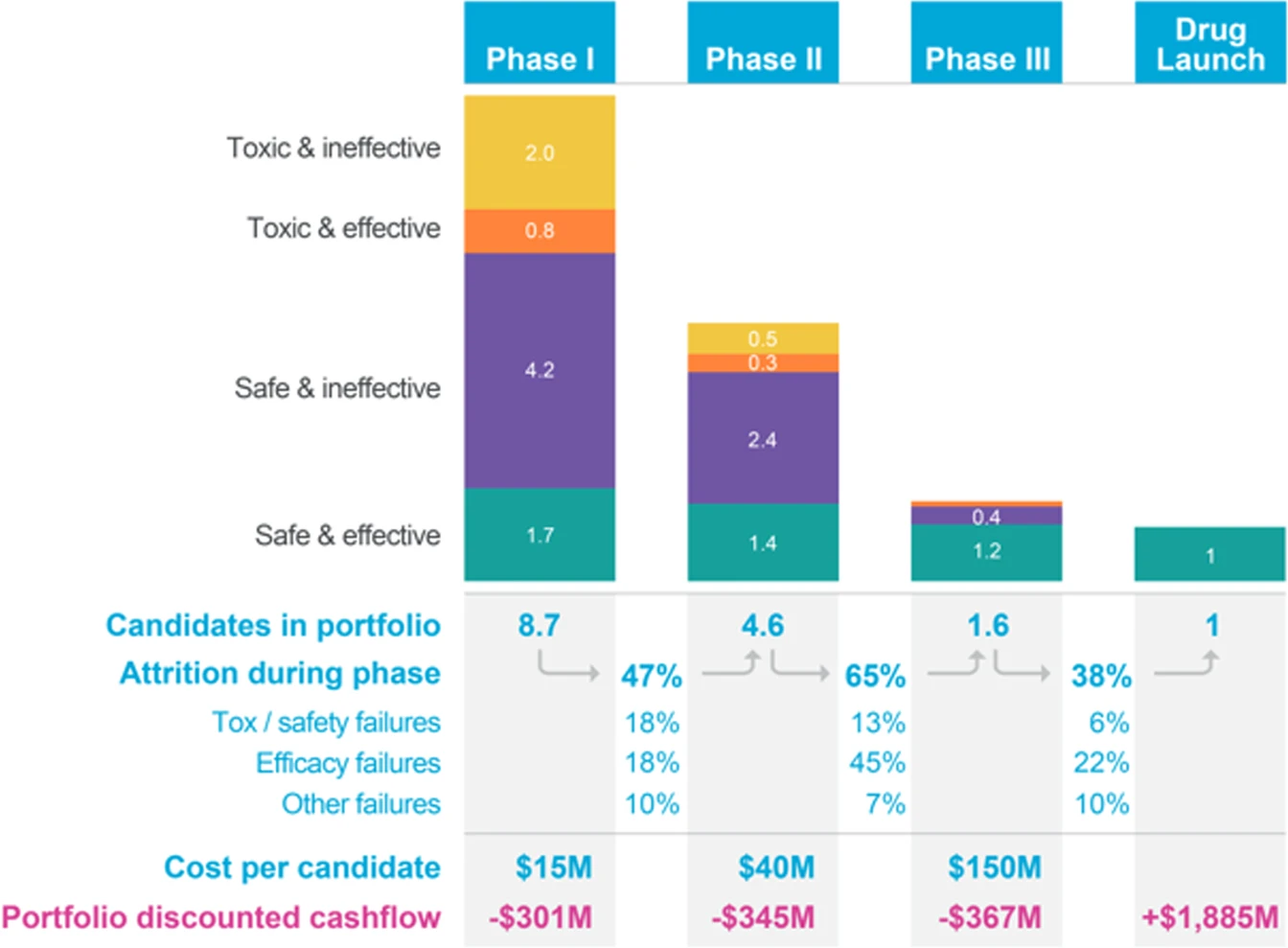
- Research and Development Costs: The initial investment in developing cancer medicines is substantial. Pharmaceutical companies often spend billions on research, clinical trials, and regulatory approvals before a drug reaches the market.
- Manufacturing Expenses: Once a drug is approved, the costs associated with manufacturing can vary widely based on the complexity of the drug and the technology used in its production.
- Market Competition: The presence of generic alternatives can drive down prices. When multiple companies produce similar medications, prices tend to decrease, benefiting patients.
- Government Regulations: In some regions, government policies and regulations can influence pricing. For example, in India, recent initiatives have aimed at making 137 cancer medicines cheaper, impacting their availability and affordability.
As the landscape of cancer treatment continues to evolve, understanding these pricing mechanisms is essential. Awareness can empower patients and families to advocate for better access to affordable cancer medicines, ultimately leading to improved health outcomes.
Government Regulations on Pharma Pricing
Government regulations play a crucial role in influencing the prices of cancer medicines. In many countries, authorities implement various strategies to control pharmaceutical pricing and ensure that essential medications remain accessible to patients. These regulations can take several forms, including price caps, negotiation frameworks, and market entry barriers for new drugs.
One effective approach has been the establishment of a national list of essential medicines. This list outlines the medications deemed necessary for public health, including cancer treatments. By focusing on these essential drugs, governments can prioritize funding and negotiate better pricing with pharmaceutical companies.
Additionally, transparency in pricing has become a focal point for many regulatory bodies. By requiring companies to disclose their pricing structures, governments can foster competition and encourage lower prices for cancer medicines. In India, recent legislation has led to significant reductions in the prices of numerous cancer drugs, demonstrating the impact of regulatory measures on affordability.
Furthermore, price negotiation with manufacturers is becoming increasingly common. Governments can leverage their purchasing power to negotiate lower costs, making cancer medicines more affordable for patients and families. Overall, these government regulations on pharma pricing are essential in the fight against high costs associated with cancer medicines and ensuring equitable access to vital treatments.
The Role of Pharmaceutical Companies
The role of pharmaceutical companies is pivotal in shaping the landscape of cancer medicines prices. These companies are responsible for research, development, and distribution of medications, and their pricing strategies can significantly affect accessibility and affordability for patients.
In recent years, many pharmaceutical firms have faced scrutiny over the high costs of cancer medications. As a response, some companies have initiated programs aimed at reducing prices, particularly in regions such as India, where recent changes have made 137 cancer medicines cheaper. This shift is not only a public relations effort but also a recognition of the need for more affordable treatment options.
Pharmaceutical companies often justify high prices by citing the extensive research and development (R&D) costs involved in bringing a drug to market. However, with the rising incidence of cancer globally, there is a growing demand for more transparent pricing models that prioritize patient well-being.
- Value-based pricing: This approach ties drug prices to the therapeutic value they provide.
- Patient assistance programs: Many companies offer financial support to help patients afford their medications.
- Generics and biosimilars: Encouraging the use of these alternatives can lead to lower prices for cancer treatments.
By adopting innovative pricing strategies, pharmaceutical companies can play a crucial role in making cancer medicines more accessible and affordable for all.
Patient Advocacy and Support
In the ongoing conversation about Cancer Medicines Prices, patient advocacy and support play a crucial role in enabling individuals to navigate the complex landscape of treatment options. Various organizations are dedicated to empowering patients by providing resources, education, and assistance in understanding their rights and available therapies.
Many advocacy groups focus on raising awareness about the rising costs of cancer medications and the need for affordable options. They work tirelessly to:
- Educate patients about financial assistance programs that can help alleviate the burden of high drug prices.
- Advocate for policy changes that promote transparency in pricing and increase access to life-saving medicines.
- Connect patients with community resources, including support groups and financial counseling services.
Furthermore, these organizations often collaborate with healthcare providers to ensure that patients receive comprehensive care that addresses both their medical and financial needs. By fostering a supportive environment, patient advocacy groups empower individuals to make informed decisions about their treatment while advocating for more equitable pricing of cancer medications.
As discussions around Cancer Medicines Prices continue, the role of patient advocates remains vital in pushing for change and ensuring that no one has to compromise on their health due to financial constraints.
Future Trends in Drug Pricing
The future of cancer medicines prices is poised for significant change as various factors come into play. With advancements in technology and the increasing demand for affordable treatment options, stakeholders are exploring innovative solutions to address the escalating costs associated with cancer medications.
One promising trend is the rise of biosimilars, which are designed to be highly similar to existing biologic medications but at a lower price point. These alternatives have the potential to enhance competition in the market, leading to reduced cancer medicines prices.
Additionally, the integration of digital health technologies is expected to streamline the drug development process, thereby decreasing production costs. This technological evolution could result in a more efficient supply chain, ultimately benefiting patients through lower prices.
Another significant factor is the increasing collaboration between governments and pharmaceutical companies. Initiatives aimed at price negotiation and value-based pricing may reshape how cancer medicines are priced, ensuring that patients receive high-quality treatments without excessive financial burdens.
Furthermore, growing public awareness and advocacy for price transparency are likely to pressure companies to justify their pricing structures, contributing to more competitive cancer medicines prices. As these trends unfold, the landscape of cancer treatment may become more accessible for patients and their families.
Conclusion and Next Steps
In conclusion, navigating the complexities of cancer medicines prices is crucial for patients and families who face overwhelming challenges during treatment. The recent price reductions for 137 cancer medicines in India highlight the potential for positive change within the pharmaceutical industry. However, it is essential for patients to remain informed about their options and advocate for fair pricing.
As we look ahead, there are several steps that individuals can take to manage the financial burden of cancer treatment:
- Research Generic Options: Patients should inquire about generic alternatives, which are often significantly cheaper than brand-name medications.
- Explore Patient Assistance Programs: Many pharmaceutical companies offer assistance programs to help cover costs for those in need.
- Stay Updated on Policy Changes: Keeping abreast of government regulations and reforms can provide insights into potential benefits for patients.
- Engage with Advocacy Groups: Connecting with patient advocacy organizations can provide support and resources to navigate treatment costs.
Ultimately, an informed and proactive approach can empower patients to make better choices regarding their treatment and potentially alleviate some of the financial stress associated with rising cancer medicines prices. Staying vigilant and advocating for fair pricing continues to be essential for the health and well-being of all patients facing cancer.
Understanding the factors that influence Cancer Medicines Prices can help patients make informed decisions about their treatment options. Additionally, exploring various assistance programs can significantly reduce the burden of Cancer Medicines Prices on families.
Photo by https://kaboompics.com/ on Pexels